Friday, January 23, 2026
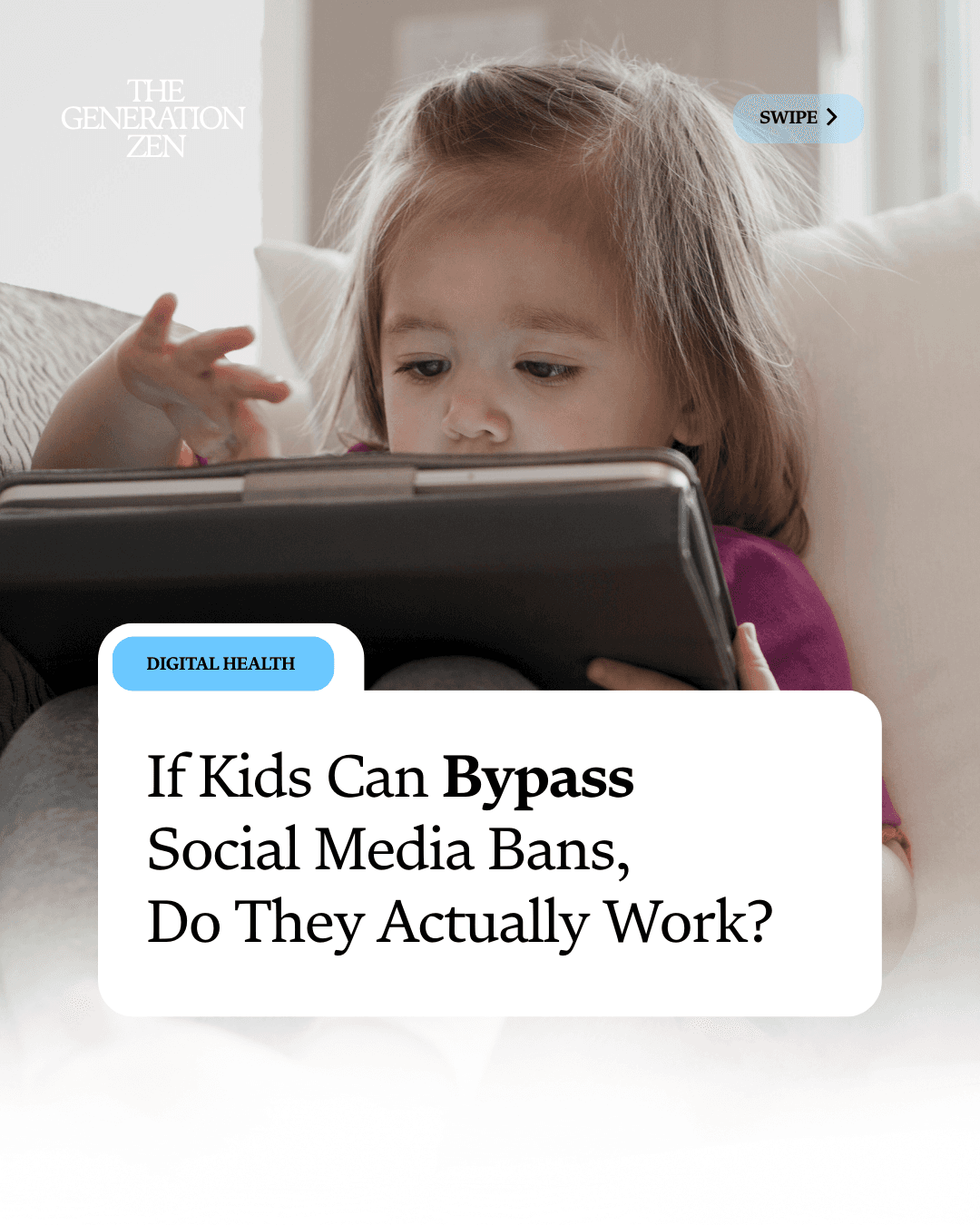
On December 10, 2025, Australia crossed a historic line. The government enacted the world’s first nationwide ban on social media access for children under 16. Lawmakers framed the move as a protective measure aimed at curbing anxiety, social comparison, and compulsive use among young people growing up online.
Across the world, United Kingdom began watching closely. UK policymakers have opened consultations on similar restrictions, signaling that Australia’s decision may set a global precedent. Governments, educators, and parents now look to one country for answers to a shared dilemma: who shapes children’s digital lives, and how far regulation should reach.
Policy Meets Reality
Teenagers responded faster than regulators expected. Australian kids quickly found workarounds. Many changed their birthdates. Others passed selfie-based age checks that failed to verify real age. Platforms blocked access on paper, yet social networks continued to operate in practice.
Researchers who study adolescent behavior anticipated this outcome. Teenagers follow peers. Belonging drives participation. When a group stays online, individuals stay with it. Policy draws boundaries. Social gravity pulls harder.
The Blame Question
Public debate soon shifted from policy design to moral judgment. Some commentators blamed parents, framing the ban as evidence of parenting failure. Others pushed back, arguing that families cannot realistically police platforms built by trillion-dollar companies.
This debate exposes a deeper conflict. Parents shape values at home. Platforms design environments at scale. Governments regulate systems. Each actor influences behavior. None operates alone. Assigning sole responsibility ignores how digital ecosystems function.
Design Shapes Behavior
Technology policy works when it changes systems rather than relying on personal discipline. Seatbelt laws reduced fatalities. Smoking bans shifted social norms. Design alters behavior through defaults.
Social media follows a different logic. Its value depends on participation. Young users move in groups. When peers gather on a platform, opting out carries social cost. Rules that ignore peer dynamics struggle to succeed.
A Live Social Experiment
Australia has launched a real-time social experiment. Governments will measure circumvention. Platforms will refine verification tools. Families will renegotiate boundaries. Researchers will track mental health, social development, and digital literacy over time.
The findings will extend far beyond Australia. They will shape how future generations form identity, build relationships, and learn to exist online. The world now watches a nation test whether law can move faster than culture and whether regulation can keep pace with youth adaptation.
What emerges will influence how childhood unfolds on the internet for decades.
NEVER MISS A THING!
Subscribe and learn exciting things. Join the community!
Join the newsletter to receive the latest updates in your inbox.