Wednesday, January 28, 2026
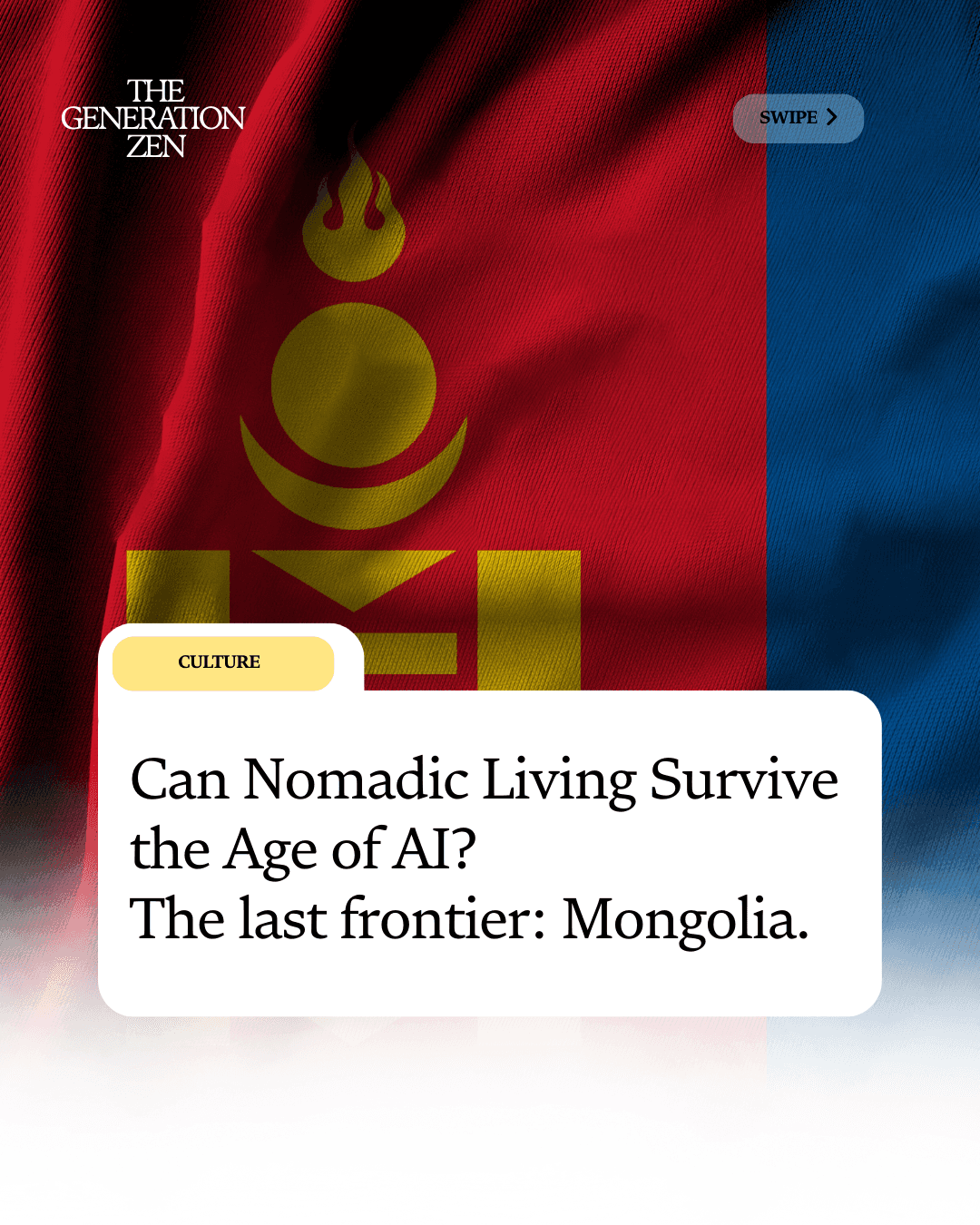
Across Mongolia, land stretches wide and uninterrupted. Nearly 99.7 percent of the country remains open terrain. Human settlement tells a different story. Almost half of the population now lives in the capital, Ulaanbaatar, while roughly 30 percent continue nomadic or semi-nomadic herding across the steppe.
The contrast feels stark. Ulaanbaatar occupies just 0.3 percent of Mongolia’s total land area yet houses more than half of its people. In 2000, the city counted fewer than 750,000 residents. By 2010, that figure passed 1.1 million. Today, the population approaches 1.6 million. Migration has followed jobs, infrastructure, education, and access to modern services. Each wave tightens the city’s density and reshapes how Mongolians experience time, space, and movement.
Beyond the capital, the Mongolian–Manchurian steppe continues to set the rhythm of daily life. This vast temperate grassland supports one of the world’s last large-scale nomadic systems. Decisions unfold through weather patterns, grazing cycles, and seasonal migration rather than fixed schedules. A documentary by DW captured the psychological shift that follows relocation from open plains to dense cities. Former herders described urban life as compressive and disorienting, marked by speed, noise, and constant negotiation for space.
Globally, slow living now attracts urban professionals seeking relief from acceleration. Mongolia’s nomadic traditions already practice this pace. Herders move with ecological feedback loops and collective memory. They respond to wind, pasture health, and animal behavior. The landscape trains attention outward rather than inward toward screens.
Pressure continues to mount. Since the 1990s, economic growth and climate stress have pulled families from grasslands into Ulaanbaatar. Dzud winters, market volatility, and access to education push migration forward. Urbanisation tests the durability of a way of life refined over centuries.
Artificial intelligence now enters this equation. AI promises efficiency, remote work, predictive logistics, and new forms of coordination across distance. These tools could widen how people choose to live, allowing economic participation without geographic compression. They could also centralize opportunity further, reinforcing hubs where data, capital, and infrastructure already cluster.
Mongolia stands at this threshold. Its open land offers a living experiment in whether advanced technology can coexist with dispersed, nature-aligned lifestyles. The outcome will signal more than a national trajectory. It will reveal whether the age of AI expands human choice—or quietly decides where life concentrates next.
NEVER MISS A THING!
Subscribe and learn exciting things. Join the community!
Join the newsletter to receive the latest updates in your inbox.